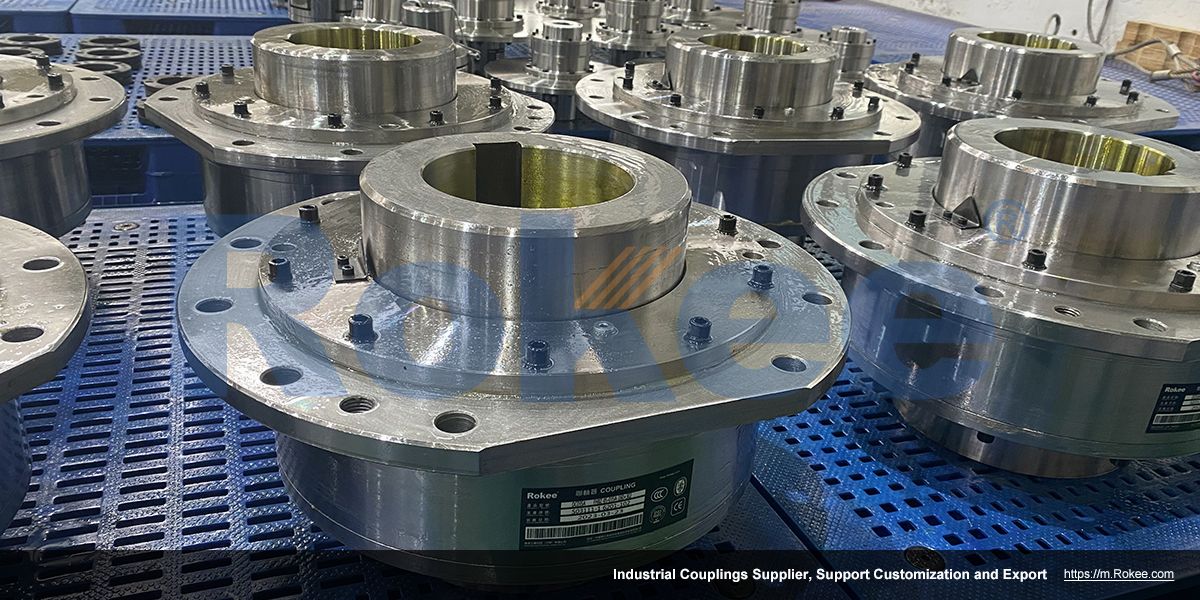
Brake Drum Couplings
Rokee is a chinese Brake Drum Couplings Manufacturer, provide Brake Drum Couplings processing and customization services, Over the years, with excellent quality, we have been continuously providing many coupling products of various categories and uses complying with multiple standards and a full range of services, from the Brake Drum Couplings selection to final installation and operation, for the industry fields of ferrous metallurgy, nuclear power, gas turbine, wind power, ropeway construction, lifting transportation, general equipment, etc. We strictly comply with quality system requirements and implement the whole process control to become a reliable and trustworthy partner of customers.
Providing customers with better Brake Drum Couplings is always our driving force. Our aim is to transmit power for you and generate value for both of us. We look forward to joining you and becoming your partner for common progress.
-
![DC Brake Drum Couplings,DC Drum Coupling For Crane]()
DC Drum Coupling For Crane
DC Drum Coupling is designed with drum teeth, which is used for connecting the reducer of crane transmission system with the drum. It can bear radial load and transfer large torque, but cannot transfer axial load.View More -
![WJ Brake Drum Couplings,WJ Spherical Roller Drum Coupling]()
WJ Spherical Roller Drum Coupling
WJ Drum Coupling is a spherical roller coupling, which is composed of jacket with connecting flange, spherical roller, semi-coupling, inner and outer cover plate and sealing system, capable of transmitting large torque and bearing radial load.View More -
![WJA Brake Drum Couplings,WJA Spherical Roller Drum Coupling]()
WJA Spherical Roller Drum Coupling
WJA Drum Coupling is a spherical roller coupling, which is composed of jacket with connecting flange, spherical roller, semi-coupling, inner and outer cover plate and sealing system, capable of transmitting large torque and bearing radial load. The connection between the coupling and the output shaft of the reducer adopts an involute spline pair design.View More -
![WZL Brake Drum Couplings,WZL Internal Spline Drum Coupling]()
WZL Internal Spline Drum Coupling
WZL Drum Coupling is a spherical hinged coupling. It has a connecting flange with an inner spherical surface, a spherical semi-coupling sleeve with an outer spherical surface, a special transmission key, an inner and outer limit cover, etc. The internal control generally adopts the splined sleeve design, which transmits torque through a specially designed key bar and can withstand large torque and radial load. The maximum angular displacement compensation can reach 3°, with a life indicator and safe and reliable structure.View More -
![RWC Brake Drum Couplings,RWC Ball & Drum Gear Drum Coupling]()
RWC Ball & Drum Gear Drum Coupling
The ball and drum gear drum coupling is a drum coupling developed by Rokee with a more reliable structure, higher compensation ability and higher safety factor. The outer sleeve adopts a spherical drum tooth design, which has low requirements for shafting installation accuracy, large transmission torque, strong overload capacity and can withstand great radial load. The connection size is the same as that of DC series, but the bearing capacity is increased by more than 30%. The innovative spherical sealing technology makes this type of product maintain excellent lubrication and greatly improve its service life.View More -
![RODA Brake Drum Couplings,RODA Basic Drum Gear Coupling]()
RODA Basic Drum Gear Coupling
The RODA Drum Gear Coupling is the basic type of ROD series coupling, suitable for most situations where the compensation of transmission distance and motion position does not require special increase.View More -
![RODT Brake Drum Couplings,RODT Drum Gear Coupling With Intermediate Tube]()
RODT Drum Gear Coupling With Intermediate Tube
The RODT Drum Gear Coupling is an extended type of ROD series coupling, suitable for increasing transmission distance.View More -
![RODX Brake Drum Couplings,RODX Drum Gear Coupling With Intermediate Shaft]()
RODX Drum Gear Coupling With Intermediate Shaft
RODX Drum Gear Coupling is an extended type of ROD series coupling with a floating shaft design in the middle, suitable for increasing transmission distance.View More -
![RODP Brake Drum Couplings,RODP Drum Gear Coupling With Brake Disc]()
RODP Drum Gear Coupling With Brake Disc
The RODP Drum Gear Coupling is a type of ROD series coupling with a brake disc, suitable for transmission situations where braking needs to be used in conjunction with disc brakes.View More -
![RODF Brake Drum Couplings,RODF Drum Gear Coupling With Split Brake Discs]()
RODF Drum Gear Coupling With Split Brake Discs
The RODF Drum Gear Coupling is a type of ROD series coupling with split brake discs, suitable for transmission situations where there is braking demand and the braking position changes when used in conjunction with disc brakes.View More -
![RODW Brake Drum Couplings,RODW Drum Gear Coupling With Brake Wheel]()
RODW Drum Gear Coupling With Brake Wheel
The RODW Drum Gear Coupling is a type of ROD series coupling with brake wheels, suitable for transmission situations where braking needs to be used in conjunction with wheel brakes.View More -
![RODU Brake Drum Couplings,RODU Drum Gear Coupling With Brake Wheel]()
RODU Drum Gear Coupling With Brake Wheel
The RODU Drum Gear Coupling is another type of ROD series coupling with brake wheels, suitable for transmission situations where braking needs to be used in conjunction with wheel brakes and applied to one end of the axle, achieving smoother and more reliable braking performance.View More -
![RODV Brake Drum Couplings,RODV Vertical Installation Drum Gear Coupling]()
RODV Vertical Installation Drum Gear Coupling
The RODV Drum Gear Coupling is a vertical installation type of the ROD series coupling, suitable for transmission situations that require vertical transmission torque.View More -
![RODM Brake Drum Couplings,RODM Torsion Protection Drum Gear Coupling]()
RODM Torsion Protection Drum Gear Coupling
The RODM Drum Gear Coupling is a torque setting form of the ROD series coupling. By adjusting relevant components, the maximum transmission torque can be easily set within a certain range. Suitable for shafting transmission situations that require safe torque operation to protect important machine components from excessive damage.View More -
![GICL Brake Drum Couplings,GICL Wide Type Drum Gear Coupling]()
GICL Wide Type Drum Gear Coupling
GICL Drum Gear Coupling has larger inner teeth width, which can transfer torque while compensating for larger axial displacement.View More -
![GICLZ Brake Drum Couplings,GICLZ Drum Gear Coupling With Intermediate Shaft]()
GICLZ Drum Gear Coupling With Intermediate Shaft
Half of the GICLZ Drum Gear Coupling adopts a non-toothed semi-coupling sleeve structure, which is usually connected in pairs or used in occasions with small angular displacement.View More -
![GIICL Brake Drum Couplings,GIICL Narrow Type Drum Gear Coupling]()
GIICL Narrow Type Drum Gear Coupling
GIICL Drum Gear Coupling has small inner teeth width, which can transfer torque while compensating for small axial displacement. Also, its structure is compact and the moment of inertia is low.View More -
![GIICLZ Brake Drum Couplings,GIICLZ Drum Gear Coupling With Intermediate Shaft]()
GIICLZ Drum Gear Coupling With Intermediate Shaft
Half of the GIICLZ Drum Gear Coupling adopts a non-toothed semi-coupling sleeve structure, which is usually connected in pairs or used in occasions with small angular displacement. Also, its structure is compact and the moment of inertia is low.View More -
![GCLD Brake Drum Couplings,GCLD Drum Gear Coupling For Motor]()
GCLD Drum Gear Coupling For Motor
GCLD Drum Gear Coupling is generally used for direct connection with the motor, so it generally has a higher speed and compact structure.View More -
![NGCL Brake Drum Couplings,NGCL Drum Gear Coupling With Brake Wheel]()
NGCL Drum Gear Coupling With Brake Wheel
NGCL Drum Gear Coupling is designed with a brake wheel, suitable for situations where braking is required.View More -
![NGCLZ Brake Drum Couplings,NGCLZ Drum Gear Coupling With Brake Wheel]()
NGCLZ Drum Gear Coupling With Brake Wheel
NGCLZ Drum Gear Coupling is designed with a brake wheel, suitable for situations where braking is required. Half of its structure adopts a semi-coupling sleeve design, with smaller angular displacement compensation but more stable braking.View More -
![WG Brake Drum Couplings,WG Drum Gear Coupling]()
WG Drum Gear Coupling
The overall characteristics of WG Drum Gear Coupling are similar to those of other drum gear couplings, but with a larger modulus design, which can generally transmit greater torque.View More -
![WGZ Brake Drum Couplings,WGZ Drum Gear Coupling With Brake Wheel]()
WGZ Drum Gear Coupling With Brake Wheel
WGZ Drum Gear Coupling is designed with a brake wheel, suitable for shoe type braking.View More -
![WGP Brake Drum Couplings,WGP Drum Gear Coupling With Brake Discs]()
WGP Drum Gear Coupling With Brake Discs
WGP Drum Gear Coupling is designed with a brake disc, suitable for disc type braking.View More -
![WGT Brake Drum Couplings,WGT Drum Gear Coupling With Indirect Tube]()
WGT Drum Gear Coupling With Indirect Tube
WGT Drum Gear Coupling is designed with indirect tube, suitable for long distance torque transfer.View More -
![WGC Brake Drum Couplings,WGC Vertical Installation Drum Gear Coupling]()
WGC Vertical Installation Drum Gear Coupling
WGC Drum Gear Coupling is specially designed for situations where vertical transmission is required, suitable for some vertical transmission systems.View More -
![WGJ Brake Drum Couplings,WGJ Drum Gear Coupling With Intermediate Shaft]()
WGJ Drum Gear Coupling With Intermediate Shaft
WGJ Drum Gear Coupling is designed with intermediate shaft, suitable for long distance torque transmission, and some are equipped with axial buffers.View More
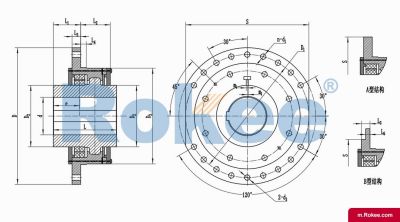
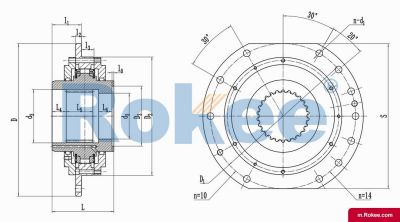
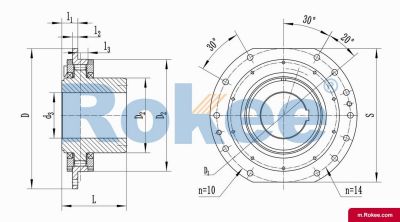
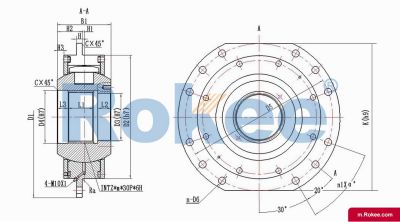
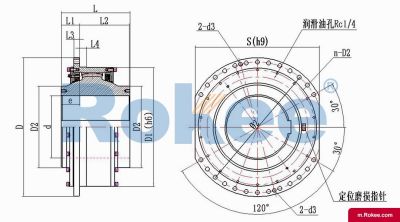
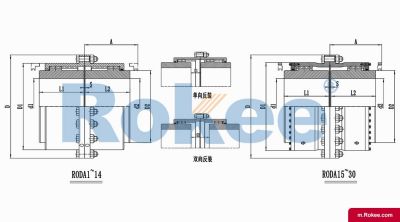
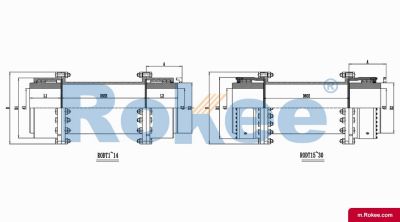
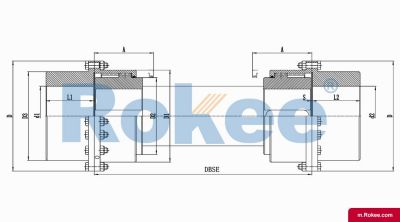
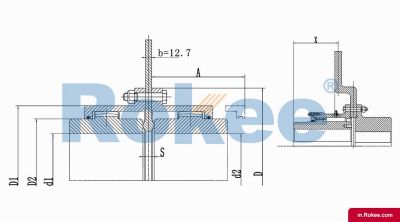
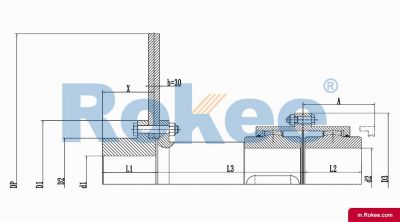
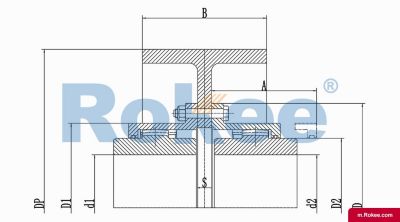
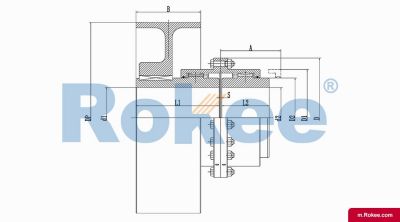
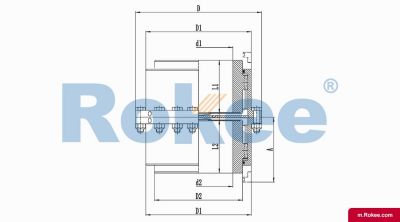
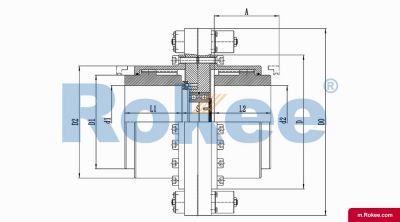
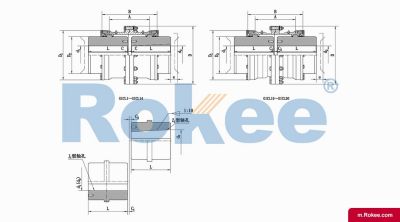
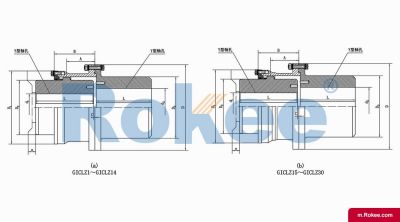
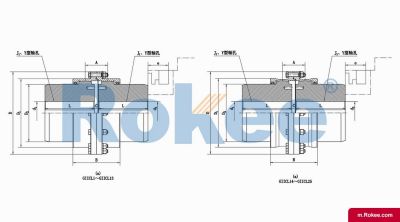
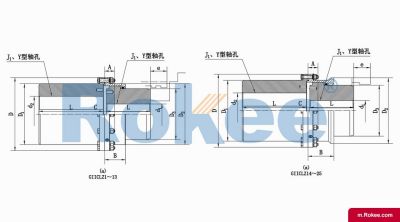
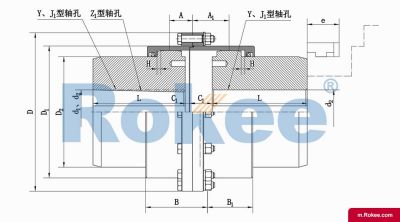
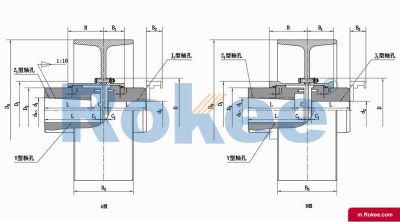
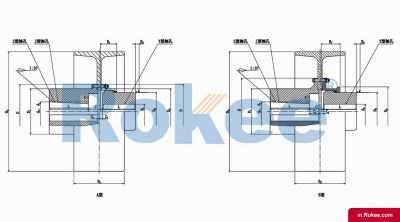
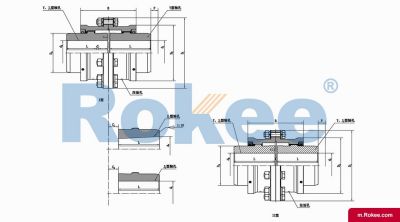
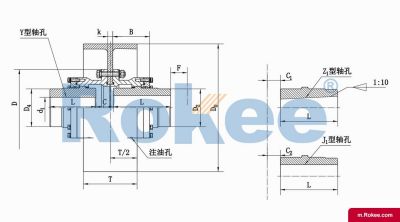
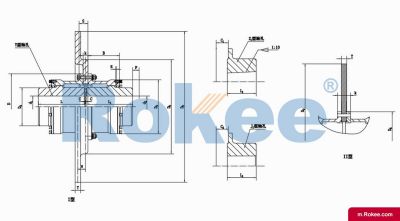
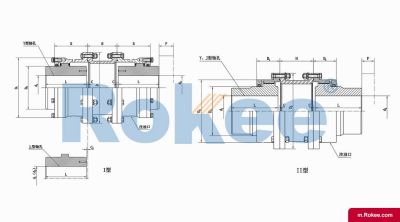
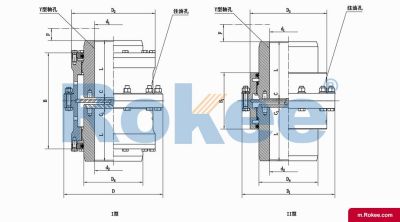
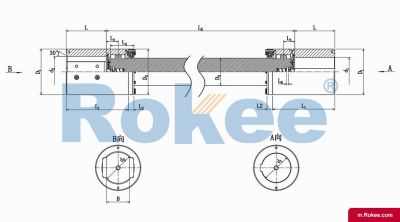
The brake drum coupling is a special coupling that integrates transmission and braking functions. By integrating the brake wheel with the coupling, the brake drum coupling achieves dual functions of torque transmission and rapid braking. This type of coupling is widely used in scenarios that require frequent start stop and safe braking, such as cranes, port machinery, mining hoists, etc. The brake drum coupling adopts a dual function integrated design, where the toothed coupling part is used to transmit torque, while the brake wheel part cooperates with the external brake to achieve rapid braking. In addition, its modular design allows the brake wheel and coupling to be detachable, supporting customized combinations to meet the needs of different scenarios. There are various types of brake drum couplings, such as brake gear coupling, split brake wheel plum blossom elastic coupling, etc. Different types of brake drum couplings have different parameters and performance characteristics.
Brake drum couplings have a wide range of applications in multiple industries. In lifting machinery such as bridge cranes and port gantry cranes, brake drum couplings can provide stable transmission and fast braking response. In mining equipment such as mine hoists and belt conveyor drive systems, brake drum couplings can withstand high torque and achieve safe braking. In addition, brake drum couplings also have important applications in the metallurgical industry, special vehicles and other fields. In terms of selection, users need to choose the appropriate brake drum coupling based on factors such as the maximum torque of the equipment, braking requirements, and working environment.
In the realm of mechanical power transmission, the brake drum coupling stands as a highly integrated and versatile component, merging the core functions of torque transmission, shaft misalignment compensation, and emergency or operational braking into a single compact unit. Unlike standard couplings that solely focus on connecting driving and driven shafts, this specialized device adds a critical braking mechanism, making it indispensable in industrial systems where controlled stopping, load holding, and reliable power delivery are non-negotiable. Designed to withstand heavy operational loads, variable working conditions, and frequent start-stop cycles, the brake drum coupling has evolved into a cornerstone part of heavy machinery, material handling equipment, and industrial drive systems worldwide. Its engineering excellence lies in the seamless fusion of structural robustness, functional flexibility, and operational safety, addressing the dual demands of efficient power transfer and secure braking that many conventional transmission components fail to meet simultaneously.
At its core, the brake drum coupling features a well-engineered structural composition that balances strength, functionality, and ease of installation, with no overly complex or redundant parts to ensure long-term durability. The primary structural elements include two rigid hubs, a centrally integrated brake drum, a torque transmission module, and auxiliary sealing and fastening components. The hubs, typically forged from high-strength alloy steel or ductile iron, are mounted onto the driving and driven shafts respectively, creating a stable connection point for torque transfer. These hubs are precision machined to fit shaft diameters tightly, often utilizing keyway or tapered locking mechanisms to prevent slippage under high torque loads, ensuring that power is transmitted efficiently without energy loss. The brake drum, the defining feature of this coupling, is integrated either between the two hubs or attached to one end of the coupling assembly, crafted with a smooth, wear-resistant outer surface designed to interact seamlessly with brake shoes or pads. Its cylindrical structure is optimized for uniform heat dissipation during repeated braking, preventing thermal deformation that could compromise braking performance or coupling integrity.
The torque transmission module varies across different types of brake drum couplings, but each design is tailored to deliver reliable power transfer while accommodating minor shaft misalignments. In gear-based brake drum couplings, the transmission module consists of meshed inner and outer drum-shaped gear teeth; the outer teeth are curved into a spherical profile, with the sphere center aligned with the gear axis, a design that eliminates edge stress concentration and allows for smooth angular and radial misalignment compensation. This tooth configuration not only enhances torque transmission capacity but also reduces wear and tear during operation, extending the service life of the coupling. For elastic brake drum couplings, the transmission module relies on high-performance elastic elements—such as polyurethane pads, rubber sleeves, or nylon pins—to absorb shock loads and dampen vibrations generated during operation. These elastic components act as a buffer between the hubs, softening the impact of sudden torque fluctuations and protecting connected equipment from mechanical stress. Completing the structure are sealing rings and fastening bolts, which prevent the ingress of dust, moisture, and abrasive contaminants, while also securing the assembly to maintain operational stability even in harsh working environments.
The performance characteristics of brake drum couplings are tailored to meet the rigorous demands of industrial applications, combining exceptional load-bearing capacity, misalignment compensation, braking efficiency, and operational resilience. One of the most prominent performance traits is its high torque transmission capability, engineered to handle both steady-state torque and peak shock loads common in heavy machinery operations. The robust material selection and precision machining of core components enable the coupling to transmit substantial torque without distortion or failure, making it suitable for high-load drive systems. Equally important is its ability to compensate for multiple types of shaft misalignments, including radial, angular, and axial deviations that often occur due to installation errors, thermal expansion, or operational wear. This compensation feature prevents excessive stress on shafts, bearings, and other connected components, reducing maintenance needs and minimizing the risk of premature equipment failure.
Braking performance is another defining attribute, with the integrated brake drum designed to deliver consistent, reliable stopping power when paired with external brake mechanisms. The brake drum’s surface hardness and heat dissipation properties ensure that braking operations remain efficient even during frequent use, avoiding issues like brake fade or uneven wear that could compromise safety. Additionally, brake drum couplings exhibit excellent vibration and shock absorption properties, particularly in elastic variants, which helps reduce noise levels during operation and stabilizes the entire drive system. This damping effect is crucial for extending the lifespan of delicate components within the machinery and improving overall operational comfort. Durability and low maintenance requirements further elevate their performance; the rugged construction resists corrosion, abrasion, and thermal damage, while the simplified design minimizes the need for frequent lubrication or part replacements, reducing downtime and operational costs for industrial facilities.
Brake drum couplings are classified into distinct categories based on structural design, torque transmission principles, and braking integration styles, each tailored to specific operational requirements and working conditions. The most common classification is based on the torque transmission mechanism, dividing the couplings into gear-type brake drum couplings, elastic brake drum couplings, and diaphragm-type brake drum couplings. Gear-type brake drum couplings are the most widely used variant, favored for their exceptional load-bearing capacity and durability. Featuring the drum-shaped gear teeth design, these couplings excel in heavy-duty applications with high torque demands, offering reliable misalignment compensation and long service life. They are ideal for systems that operate under constant heavy loads and require minimal maintenance, such as large-scale conveyor systems and mining machinery.
Elastic brake drum couplings, by contrast, prioritize shock absorption and vibration damping, making them perfect for systems with frequent start-stop cycles or variable torque loads. Utilizing elastic elements for torque transfer, these couplings reduce the transmission of impact forces to connected equipment, protecting motors, gearboxes, and shafts from damage. They are also maintenance-friendly, as the elastic components are easy to inspect and replace without disassembling the entire coupling assembly. Diaphragm-type brake drum couplings represent a high-precision variant, using thin metal diaphragms to transmit torque and compensate for misalignment. These couplings offer zero backlash, high torsional stiffness, and exceptional operational accuracy, making them suitable for precision drive systems where consistent speed and positioning are critical. While they have lower torque capacity compared to gear-type variants, their precision and wear-free operation make them invaluable in specialized industrial settings.
Another classification approach is based on the brake drum integration method, distinguishing between integral brake drum couplings and split-type brake drum couplings. Integral brake drum couplings feature a single, unified brake drum structure that is permanently attached to the coupling hub, offering maximum structural rigidity and braking stability. This design is preferred for heavy-load applications where consistent braking performance is paramount. Split-type brake drum couplings, on the other hand, feature a two-piece brake drum that can be easily installed or removed without disassembling the entire shaft assembly, enhancing installation flexibility and simplifying maintenance. This design is ideal for systems where space is limited or frequent brake inspections are required. Additionally, brake drum couplings can be categorized by application orientation, including horizontal and vertical models, each engineered to optimize performance based on the installation angle of the drive system.
The versatility of brake drum couplings is reflected in their extensive range of industrial applications, spanning across sectors that demand reliable power transmission and secure braking functionality. In the material handling industry, these couplings are a staple in cranes, hoists, winches, and conveyor systems, where controlled load lifting, transportation, and emergency stopping are essential. The integrated braking feature ensures that heavy loads remain securely in place when machinery is idle, preventing accidents and enhancing workplace safety. In mining and quarrying operations, brake drum couplings are deployed in crushers, mills, and ore conveying equipment, where they withstand extreme dust, heavy loads, and harsh operating conditions, delivering consistent performance and reliable braking to protect valuable machinery and personnel.
The metallurgical and steelmaking industries also rely heavily on brake drum couplings, integrating them into rolling mills, continuous casting equipment, and material transfer systems. These couplings handle the high torque and shock loads inherent in metal processing, while the braking function enables precise control of material movement during production, ensuring product quality and operational safety. In the construction machinery sector, they are used in concrete mixers, asphalt pavers, and heavy-duty excavators, providing reliable power transfer and emergency braking capabilities on dynamic job sites. Additionally, brake drum couplings find applications in power generation facilities, paper and pulp mills, chemical processing plants, and marine equipment, adapting to diverse working conditions from high-temperature industrial environments to corrosive chemical settings.
Beyond these heavy industries, brake drum couplings are also utilized in general manufacturing equipment, such as machine tools, pumps, and fans, where compact design, efficient power transmission, and basic braking functionality are required. Their ability to combine multiple functions into a single unit reduces the overall footprint of drive systems, simplifies mechanical design, and lowers the number of individual components needed, optimizing both space utilization and operational efficiency. As industrial automation and machinery design continue to advance, the demand for brake drum couplings is expected to grow, driven by the need for more integrated, reliable, and safety-focused transmission solutions. Engineers continue to refine their structural design and material selection, enhancing performance metrics such as torque capacity, wear resistance, and heat dissipation to meet the evolving demands of modern industrial systems.
In summary, the brake drum coupling is a masterfully engineered mechanical component that harmonizes torque transmission, misalignment compensation, and braking functions into a single, efficient unit. Its well-crafted structural design, encompassing robust hubs, precision transmission modules, and high-performance brake drums, delivers exceptional operational performance across load-bearing, durability, and safety metrics. The diverse range of classifications ensures that there is a suitable brake drum coupling variant for every industrial application, from heavy-duty mining machinery to precision manufacturing equipment. As a critical part of global industrial drive systems, the brake drum coupling not only enhances the reliability and safety of mechanical operations but also contributes to reduced maintenance costs and improved operational efficiency. With ongoing advancements in materials science and mechanical engineering, these couplings will continue to evolve, solidifying their position as an indispensable component in the ever-expanding landscape of industrial power transmission.
« Brake Drum Couplings » Update Date: 2026/3/6
URL: https://m.rokee.com/tags/brake-drum-couplings.html